Rubber molds are easily contaminated with dirt, grease and other residues from the manufacturing process. Ensuring the quality and consistency of molded products requires that they be thoroughly cleaned. Traditional cleaning methods, such as chemical solvents or abrasive cleaning, may not always be effective or may be harmful to the mold.
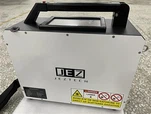
Cleaning rubber molds with a laser cleaner is a viable solution. A laser beam is focused and shone on the surface to be cleaned, causing the contaminants to absorb the laser energy and vaporize. This process does not involve any physical contact, thus eliminating the risk of damaging precision rubber molds. In addition, laser cleaning is a non-abrasive method, which means it does not cause any wear and tear on the mold.
Another advantage of using a laser cleaner to clean rubber molds is its ability to achieve intricate geometries. Rubber molds often have intricate patterns and designs, which makes it challenging to clean them thoroughly. A laser beam can penetrate these intricate areas and ensure that contaminants are completely removed.
Laser cleaners also offer adjustable power levels and pulse durations, allowing operators to tailor the cleaning process to the specific requirements of the rubber mold. This flexibility ensures optimum cleaning results while minimizing the risk of overheating or damaging the mold.
It should be noted, however, that not all rubber materials are suitable for laser cleaning. Some rubber compounds may over-absorb laser energy, which can lead to unwanted effects such as discoloration or degradation. Therefore, it is best to conduct a feasibility study or consult a professional before using a laser cleaning machine on rubber molds.
In conclusion, laser cleaners can indeed be effective in cleaning rubber molds. Its non-contact, non-abrasive nature, ability to reach complex areas, and customizable cleaning parameters make it a promising mold cleaning technology in a variety of industries. However, the compatibility of rubber materials with laser cleaning must be properly evaluated and understood to ensure successful and safe cleaning results.