1. Efficient Cleaning
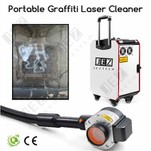
One of the primary advantages of using lasers in surface cleaning applications is their efficiency. Lasers can quickly and effectively remove contaminants from a variety of surfaces, including metals, plastics, and glass. This is because lasers produce a highly focused beam of light that can heat up and vaporize dirt and grime, leaving the surface clean without the need for manual scrubbing or harsh chemicals.
2. Minimal Damage to the Surface
Lasers are also advantageous because they can clean surfaces without causing damage. This is because lasers only heat up the contaminants and not the underlying material, reducing the risk of warping, melting, or scratching the surface. This makes lasers an excellent choice for cleaning delicate or fragile materials, such as electronics, medical devices, and fine jewelry.
3. Environmental Friendliness
Using lasers for surface cleaning is environmentally friendly because they do not require the use of harsh chemicals or cleaning agents. This eliminates the need for disposal of these materials, reducing the environmental impact. Additionally, lasers can be used to remove harmful contaminants like bacteria and viruses, which can improve the overall cleanliness and safety of a workspace.
4. Versatility
Lasers are a versatile cleaning method because they can be used on a wide variety of surfaces and materials. They can clean everything from small components to large industrial machines, and can even be used for cleaning intricate patterns and designs. This makes lasers a valuable tool in a range of industries, including manufacturing, healthcare, and food production.
5. Improved Productivity
Using lasers for surface cleaning can improve productivity by reducing the time and labor required for cleaning tasks. Lasers can quickly and easily remove contaminants, saving time that would otherwise be spent on manual cleaning. This allows workers to focus on other tasks, increasing overall productivity.
In conclusion, lasers offer several advantages for surface cleaning applications, including efficiency, minimal damage to surfaces, environmental friendliness, versatility, and improved productivity. As a result, they have become an indispensable tool in many industries, and their use in surface cleaning is expected to continue to grow in the years to come.