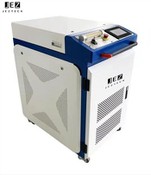
When it comes to choosing between a YAG laser cleaning machine and a fiber laser cleaning machine, one important consideration is how they affect the substrate. In this article, we will compare the two machines based on the cleaning effect, surface roughness of the substrate after cleaning, and cleaning efficiency.
Cleaning Effect
Both YAG laser and fiber laser cleaning machines can effectively remove contaminants on the surface of the substrate. They utilize laser beams to vaporize or ablate the dirt, rust, or coatings. However, the cleaning effect may vary depending on the specific type and power of the laser used in the machine.
Surface Roughness of Substrate after Cleaning
In terms of surface roughness, fiber laser cleaning machines tend to be gentler on the substrate compared to YAG laser cleaning machines. Fiber lasers are generally more precise and can remove contaminants without causing significant damage or altering the surface structure of the material. YAG lasers, on the other hand, may have a higher chance of causing thermal damage or creating roughness on the substrate surface.
Cleaning Efficiency
In terms of cleaning efficiency, YAG laser cleaning machines are known to be faster compared to fiber laser cleaning machines. YAG lasers typically have higher peak powers and longer pulse durations, allowing them to remove contaminants more efficiently. However, it is worth noting that the cleaning efficiency can still be influenced by factors such as the type and thickness of the contaminants, as well as the power and settings of the laser machine itself. In conclusion, both YAG laser cleaning machines and fiber laser cleaning machines have their advantages and considerations when it comes to minimizing damage to the substrate. While YAG lasers might offer higher cleaning efficiency, fiber lasers are generally considered to be less damaging to the substrate due to their precision. Ultimately, the choice between the two will depend on the specific requirements of the cleaning task and the desired outcome for the substrate.