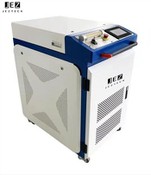
Laser cleaning technology is a widely used method for removing dirt, rust, and other contaminants from various surfaces. However, not many people know that there are two types of lasers used in this technology: thermal and cold lasers.
What is a thermal laser?
A thermal laser, also known as a hot laser, is a type of laser that uses high energy to heat the surface it is cleaning, causing the contaminants to vaporize. This type of laser generates a significant amount of heat during the cleaning process, which can potentially damage the surface being cleaned if the temperature is not controlled properly.
What is a cold laser?
On the other hand, a cold laser, also known as a low-temperature laser, uses lower energy and does not heat the surface it is cleaning. Instead, it works by exciting the particles of the contaminant, causing them to vibrate and eventually break away from the surface. This type of laser is safer to use as it does not cause any heat damage to the cleaned surface.
Which laser is better for cleaning?
The choice between a thermal and a cold laser depends on the material and surface being cleaned. For delicate materials or surfaces that cannot withstand high temperatures, a cold laser is the better option. However, for materials that can withstand higher temperatures, a thermal laser may be more efficient in removing thicker layers of dirt or rust.
In conclusion, laser cleaning technology uses both thermal and cold lasers, each with their own advantages and disadvantages. The choice of which laser to use depends on the specific requirements of the cleaning job at hand.